
Ultimate Guide to Utah County Basement Finishing Permits
Finishing a basement in Utah County typically requires multiple permits that confirm safety, code compliance, and legal occupancy for new living spaces; understanding these permits prevents costly rework, insurance issues, and resale complications. This article explains when permits are needed, which permit types are common for basement remodels, and the county-specific steps homeowners must follow to submit plans, obtain approvals, and schedule inspections. You will learn practical triggers for permit applications, the trade permits most often required, egress window standards for legal bedrooms, and a clear step-by-step application workflow tailored to Utah County processes. Lynnwood Construction, a Spanish Fork–area builder focused on basement finishing and remodeling, regularly helps homeowners navigate permit filings and coordinate inspections to keep projects moving on time. This guide maps the permit triggers, the documents officials expect, inspection sequences, and estimated timelines so you can plan a compliant basement conversion with confidence while minimizing delays and surprises.
When Do You Need a Basement Finishing Permit in Utah County?
A basement finishing permit is required whenever work changes the structure, occupancy, or major building systems of a home; triggers include new walls, added bedrooms or kitchens, and any electrical, plumbing, or mechanical upgrades that alter load or service. Permits exist to enforce building regulations and reduce safety risks from improper installations, so they apply at both the state (IRC baseline) and county level with some local amendments. Homeowners who treat permit checks early avoid rework and costly inspection failures, and preparing a clear plan speeds review. The next subsections list the specific work that typically requires permits and clarify which cosmetic jobs are usually exempt to help you decide when to apply.
What Types of Basement Work Require Permits?
Common basement projects that require one or more permits include framing new walls (building permit), installing a bathroom (plumbing + building permits), and adding or relocating HVAC equipment (mechanical permit). Electrical work such as new circuits or panel upgrades triggers an electrical permit, while creating a legal bedroom with an egress window will often need both building and egress-specific review. Understanding which specific trade permits apply to each task helps homeowners assemble the right documents before submission and limits review delays. These mappings lead directly into which permit types you will see on a Utah County application.
Are Cosmetic Basement Upgrades Exempt from Permits?
Cosmetic updates like painting, flooring replacement, and non-structural trim typically do not require permits because they do not change occupancy, structural systems, or major utilities. However, borderline activities—such as relocating outlets, adding recessed lighting, or cutting stair openings—can trigger electrical or building permits, so caution is warranted before starting work. Homeowners should treat apparent cosmetic changes as potentially regulated when utilities, egress, or structural elements are altered to avoid unexpected stop-work orders. Verifying with the county building department or a contractor before beginning reduces the risk that a small project becomes a permit issue.
What Permits Are Required for Basement Finishing in Utah County?
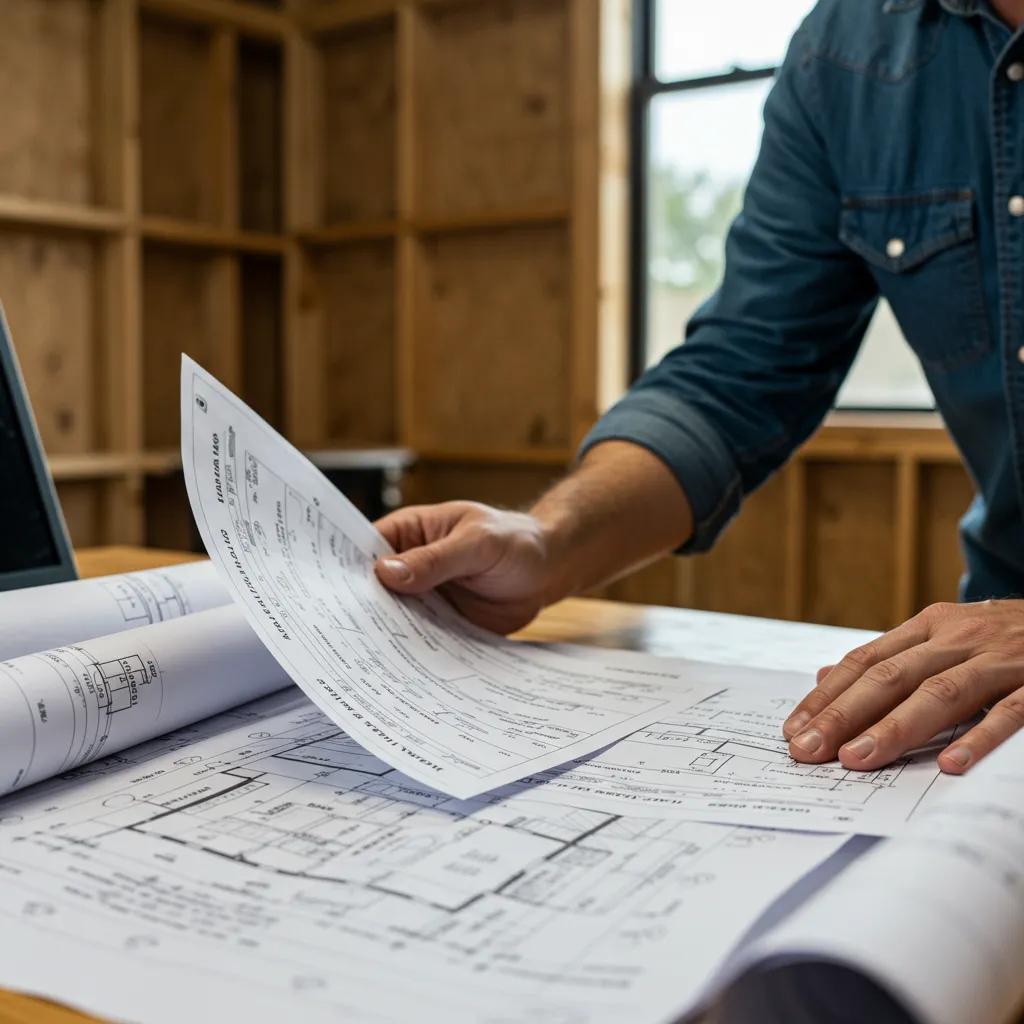
Permits commonly required for basement finishing include building, electrical, plumbing, mechanical (HVAC), and egress-specific reviews for windows or exits; each permit addresses a different meronym of the overall construction package such as floor plans, framing, and systems. These permit types reflect hyponyms of construction permits and coordinate with International Residential Code (IRC) baseline requirements plus county amendments. Knowing who typically applies (contractor vs. homeowner) and when multiple permits must be combined prevents incomplete applications that delay approvals. The table below summarizes typical permit triggers and responsible parties to make planning straightforward.
The table below summarizes permit types, typical triggers, and who usually prepares the submission:
| Permit Type | Typical Trigger | Who Prepares Submission |
|---|---|---|
| Building Permit | New walls, structural changes, adding rooms | Licensed contractor or homeowner |
| Electrical Permit | New circuits, panel changes, relocated outlets | Licensed electrician |
| Plumbing Permit | New bathrooms, relocated drains, new fixtures | Licensed plumber |
| Mechanical (HVAC) Permit | New furnace/AC, ductwork, ventilation changes | HVAC contractor |
| Egress/Window Review | New egress windows, wells, bedroom conversions | Contractor with plans/engineer if required |
What Is a Building Permit and When Is It Needed?
A building permit covers structural and occupancy-related changes such as framing new walls, altering stairways, and adding finished rooms that affect egress or load paths; it requires plan sets showing floor layouts and framing details. Reviewers look for compliance with IRC provisions like minimum ceiling heights, fire separation, and door egress, so including clear site and floor plans reduces review comments. If structural work or engineered elements are involved, stamped calculations or structural letters may be required to accompany the submittal. Proper building-permit documentation prevents delays during rough framing and final inspections by clarifying scope up front.
When Do You Need Electrical, Plumbing, and Mechanical Permits?
Electrical permits are required for new circuits, relocated panels, or adding permanently installed lighting and outlets because they affect fire and shock safety; a licensed electrician usually submits wiring diagrams. Plumbing permits are needed for new fixtures, relocated drains, and water supply changes to ensure proper trap, vent, and drainage sizing; plumbing layouts and fixture schedules are standard requirements. Mechanical permits cover installation or modification of furnaces, air conditioning, and ventilation systems that change combustion appliances or ducting; mechanical drawings and equipment specs help reviewers confirm ventilation and clearance compliance. Mapping work items to permit types simplifies contractor coordination and reduces the chance of missing a required trade permit.
How Do You Apply for Basement Finishing Permits in Utah County?
Applying in Utah County follows a stepwise flow: confirm zoning/ADU rules with your city, prepare required plans, submit application forms and fees to the county building department, respond to review comments, then schedule inspections in sequence through construction. This workflow aligns with construction permits and building regulations that ensure safety and occupancy standards are met before final sign-off. Complete, well-labeled plan sets and early communication with reviewers are the most effective ways to shorten review times. Below is a practical, homeowner-facing checklist of application steps to guide your submission.
Follow these numbered steps to submit a typical basement finishing permit application:
- Check local zoning and ADU rules with your city to confirm allowed uses and parking requirements.
- Prepare site and floor plans plus trade drawings showing framing, electrical, plumbing, and mechanical layouts.
- Submit the completed application form, required documents, and permit fees to the Utah County Building Department.
- Respond promptly to any plan-review comments and schedule the initial inspections once permits are issued.
Which Documents and Plans Are Required for Approval?
A complete permit packet usually includes a site plan, floor plans with dimensions, framing plans, electrical/plumbing/mechanical layouts, and any required engineering letters or structural calculations. Including equipment specs and product cut sheets for HVAC and water heaters helps reviewers verify clearances and combustion air requirements. When projects alter load-bearing members or foundation elements, an engineer’s stamp may be necessary to validate structural changes and prevent inspection failures. Preparing a checklist of these documents before submission improves the likelihood of first-pass approvals and faster permit issuance.
How Does Lynnwood Construction Assist with Permit Applications?
Lynnwood Construction provides permit coordination and plan-preparation support to reduce homeowner workload and avoid documentation errors that slow approval. Their services typically include compiling trade drawings, organizing required engineering letters, submitting permit applications on behalf of the homeowner, and scheduling inspections to match project milestones. This hands-off approach saves time, lowers the risk of incomplete submittals, and keeps project timelines transparent through upfront communication. To request a free quote or discuss permit coordination for a basement finishing project, contact Lynnwood Construction by phone at (801) 515-3594 for a consultation.
What Are the Key Building Codes and Zoning Laws for Basement Finishing in Utah County?
Basement finishing must meet International Residential Code (IRC) standards for egress, minimum ceiling heights, fire blocking, insulation, and smoke/CO detector placement, with local jurisdictions applying specific amendments. These code requirements ensure habitable spaces are safe and meet occupancy criteria, and they form the hypernym of all construction permits and compliance obligations. Zoning rules further affect whether a basement can serve as an accessory dwelling unit (ADU) or rental, often requiring separate entrances, parking verification, and occupancy limits. Understanding both building codes and local zoning early in planning prevents scope changes that trigger re-submittals and extended review times.
What Are the International Residential Code Requirements?
Key IRC requirements relevant to basements include minimum egress opening sizes, ceiling height minimums for habitable spaces, required smoke and carbon monoxide alarms, and fire-blocking between floor levels. Specifically, egress and ceiling standards determine whether a room qualifies as a bedroom, and insulation/energy provisions affect required wall assemblies for habitable basement areas. Translating code language into clear plan notes—such as listing window dimensions and detector locations—helps plan reviewers quickly confirm compliance. Including these code references on plan sheets reduces clarification requests and accelerates permit approval.
How Do Egress and Safety Standards Affect Basement Bedrooms?
For a basement room to be a legal bedroom, it must meet egress window size and operational requirements, provide acceptable ceiling height, and have required smoke and CO detectors installed in specified locations. Egress window wells, ladder clearance, and window-sill heights are commonly inspected items because they directly affect occupant escape during emergencies. Ensuring detectors are interconnected and placed per code protects occupants and satisfies final inspection requirements, which in turn secures legal bedroom designation. A checklist of these items on your plan sheet assists both contractors and inspectors during rough and final phases.
What Zoning Rules Impact Basement Apartments and ADUs?
Zoning checks for basement apartments typically evaluate whether the unit meets occupancy rules, parking requirements, separate-egress needs, and short-term rental restrictions that may apply in different Utah County cities. Some jurisdictions require a separate exterior entrance or minimum parking spaces per bedroom, while others restrict separate kitchen additions that would create a full dwelling unit. Before designing an ADU-style basement apartment, confirm city-specific zoning criteria to avoid a design that will be rejected during plan review. Verifying zoning early narrows design options and prevents costly revisions later in the permit process.
What Are the Costs, Timelines, and Inspections for Basement Finishing Permits?
Permit fees, review times, and required inspections vary by city within Utah County and by project scope, but common cost drivers include project square footage, number of trade permits, and whether engineered documents are necessary. Typical review times are affected by seasonal workload and completeness of the submission; a complete package with clear plans shortens review. Inspections normally proceed in sequence—framing/rough, electrical/plumbing/mechanical roughs, insulation, and final—and each inspection verifies different meronyms of the construction package. The table below summarizes typical fee ranges, review timelines, and inspection milestones to help homeowners budget time and money.
This table compares permit entities, typical fee ranges or timelines, and common inspection checkpoints:
| Permit Entity | Typical Range / Timeline | Common Inspection Milestones |
|---|---|---|
| Building Permit | $100–$800 depending on scope and city | Rough framing, final inspection |
| Electrical Permit | $50–$400 depending on circuits | Electrical rough, final testing |
| Plumbing Permit | $50–$400 depending on fixtures | Plumbing rough, final trap/seal checks |
| Mechanical Permit | $50–$400 depending on equipment | Mechanical rough, combustion air, final |
How Much Do Basement Finishing Permits Cost in Utah County?
Permit cost ranges depend on city fee schedules, the number of trades involved, and whether engineering stamps are required; small cosmetic projects may be inexpensive while full basement conversions with new bathrooms and HVAC run higher. Additional cost drivers include plan-review fees, re-submittal charges if plans are incomplete, and inspection re-test fees if corrections are required. Homeowners should budget a contingency for permit-related expenses and confirm exact fees with their city’s building department prior to submission. Accurate budgeting and a complete application reduce the likelihood of unexpected permit-related expenses during construction.
What Is the Typical Review and Approval Timeline?
Median review times vary by jurisdiction and season, often ranging from a few days for small, simple submittals to multiple weeks for complex projects or during peak seasons; incomplete applications are the most common cause of extended reviews. Pre-submittal meetings, thorough plan sets, and contractor-led submissions generally shorten turnaround by ensuring required documentation is present at first review. Once permits are issued, scheduling inspections promptly and addressing any correction notices quickly keeps the project on its estimated timeline. Using an experienced coordinator or contractor to manage submissions and responses helps compress overall approval cycles.
What Inspections Are Required During Basement Finishing?
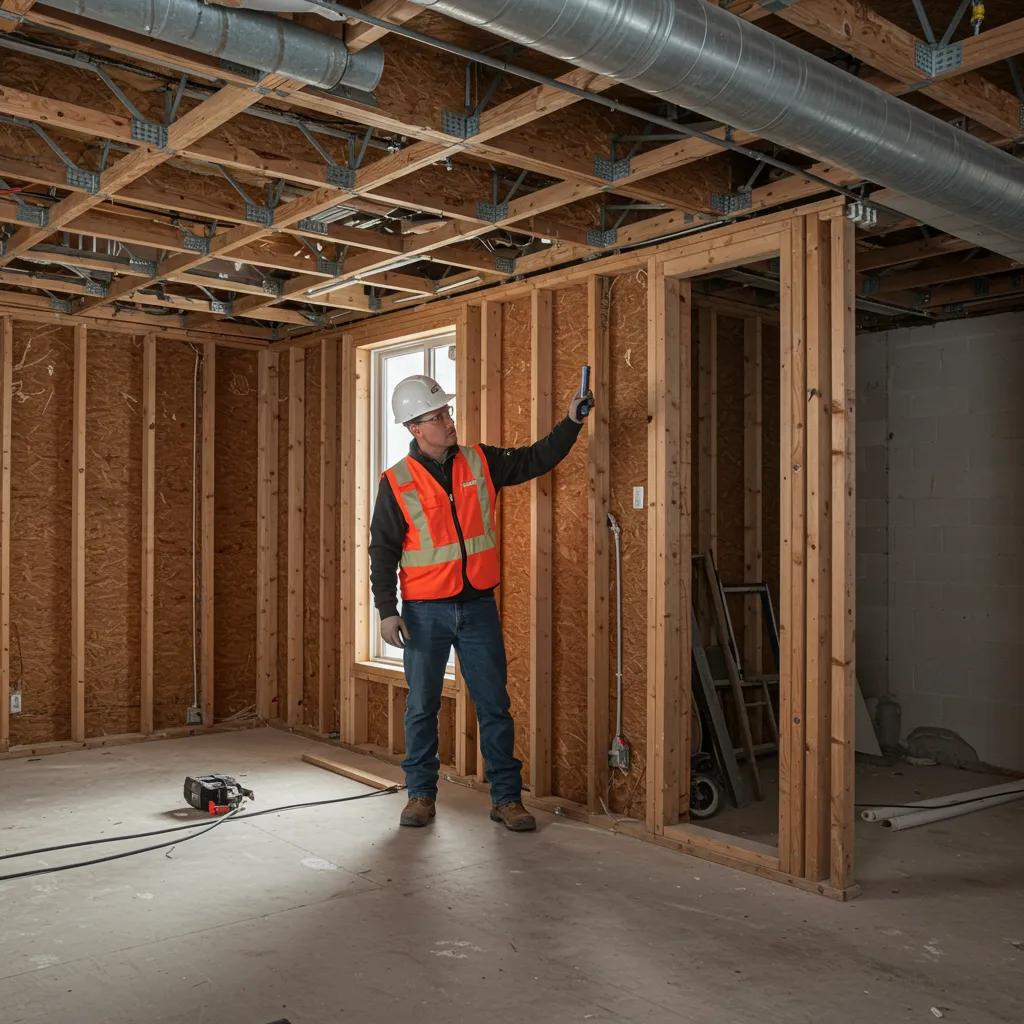
Inspections typically follow a sequence: foundation/footing (if altered), rough framing, electrical rough, plumbing rough, mechanical rough, insulation, and final inspection; each stage confirms compliance with code provisions relevant to that trade. Inspectors check safety-critical items such as egress openings during rough framing, proper wiring and grounding during electrical rough, correct drain slopes during plumbing rough, and proper combustion clearances during mechanical inspections. Common reasons for failed inspections include missing documentation, concealed work not ready for inspection, and incorrect installations that violate code requirements. Preparing inspection checklists aligned to each stage and ensuring trade readiness before scheduling reduces re-inspections and keeps the project moving.
This article has outlined the permit triggers, typical permit types, application workflow, code and zoning considerations, and the cost and inspection milestones you will encounter when finishing a basement in Utah County. For homeowners seeking a low-hassle path through permitting and inspection coordination, Lynnwood Construction helps prepare plans, submit permit packets, and schedule inspections to keep projects on time; call (801) 515-3594 to request a free quote and discuss your basement finishing project with a local specialist.
Frequently Asked Questions
What are the consequences of not obtaining the necessary permits for basement finishing?
Failing to obtain the required permits for basement finishing can lead to significant consequences, including fines, mandatory removal of unpermitted work, and complications during future property transactions. Homeowners may face issues with insurance claims if work is deemed unpermitted, and local authorities may require costly rework to bring the space up to code. Additionally, unpermitted work can affect the safety of the living space, potentially leading to hazardous conditions that could endanger occupants.
Can I apply for permits online in Utah County?
Yes, many jurisdictions in Utah County offer online permit application services, allowing homeowners to submit their applications and required documents electronically. This can streamline the process and reduce the time spent on paperwork. However, it’s essential to check with your specific city’s building department for their online capabilities and any specific requirements they may have for digital submissions, as procedures can vary between municipalities.
How can I ensure my basement finishing project complies with local building codes?
To ensure compliance with local building codes, homeowners should familiarize themselves with the International Residential Code (IRC) and any specific amendments applicable in Utah County. Consulting with a licensed contractor or architect can provide valuable insights into code requirements. Additionally, submitting detailed plans that clearly outline compliance measures, such as egress windows and smoke detector placements, can help facilitate a smoother review process and minimize the risk of violations.
What should I do if my permit application is denied?
If your permit application is denied, carefully review the reasons provided by the building department. Common issues include incomplete documentation or failure to meet code requirements. Addressing these concerns promptly is crucial; you may need to revise your plans or provide additional information. After making the necessary adjustments, you can resubmit your application. It may also be beneficial to consult with a contractor or permit specialist to improve your chances of approval on the next attempt.
Are there any specific safety standards for basement bedrooms in Utah County?
Yes, basement bedrooms in Utah County must meet specific safety standards, including proper egress window sizes and operational requirements, minimum ceiling heights, and the installation of smoke and carbon monoxide detectors. These standards are designed to ensure occupant safety in emergencies. Homeowners should verify that their designs comply with these regulations to secure legal bedroom status and pass inspections, which can include checks for egress window wells and detector placements.
What is the role of a contractor in the permit application process?
A contractor plays a crucial role in the permit application process by preparing and submitting the necessary documentation, ensuring compliance with building codes, and coordinating inspections. They can help homeowners navigate the complexities of permit requirements, reducing the likelihood of errors that could delay approval. Additionally, contractors often have established relationships with local building departments, which can facilitate smoother communication and expedite the review process.
How can I prepare for inspections during the basement finishing process?
To prepare for inspections, homeowners should ensure that all work is completed according to the approved plans and that all necessary documentation is readily available. Creating a checklist of items to verify before each inspection can help ensure compliance with code requirements. Additionally, scheduling inspections promptly and addressing any correction notices quickly will keep the project on track. Engaging a knowledgeable contractor can also help ensure that all aspects of the work are ready for inspection.
Conclusion
Successfully navigating the basement finishing permit process in Utah County ensures your project meets safety and legal standards, preventing costly delays and complications. By understanding the necessary permits, application steps, and inspection requirements, homeowners can confidently transform their basements into functional living spaces. For a seamless experience, consider partnering with Lynnwood Construction, who can assist with permit applications and inspections. Contact us today to start your basement project with expert guidance and support.