Utah County Basement Finishing: Your Cost Guide from Lynnwood Construction
Finishing your basement in Utah County in 2025 typically ranges from $25 to $47 per square foot, covering everything from basic to high-end transformations. We account for local material and labor costs to give you the most accurate pricing. You might encounter unexpected expenses with permits, plumbing, or special features, so understanding the costs upfront is key. This guide breaks down the average costs per square foot, what drives those costs, popular upgrades, the return on your investment, and why Lynnwood Construction’s local expertise makes your project smooth and budget-friendly. By the end, you’ll know exactly what influences your investment and how to get a no-obligation quote from your trusted Utah County basement finishing experts.
2025 Utah County Basement Finishing Cost Guide
In Utah County, finishing a basement generally costs between $25 per square foot for basic finishes and $47 per square foot for luxury upgrades. These figures reflect our local labor rates and material availability. Mid-range finishes, which include better lighting, quality flooring, and standard cabinets, typically fall around $35 per square foot. Compared to statewide averages of $20–$75 per square foot, Utah County offers competitive pricing thanks to our strong local contractor network. Clear cost breakdowns help you choose the perfect balance of style and budget.
How Do Basic, Mid-Range, and High-End Finishes Compare in Cost?
Basic finishes include essential framing, drywall, paint, carpet, and minimal lighting, costing about $25 per square foot.
Mid-range options add recessed lighting, vinyl plank flooring, built-in storage, and upgraded trim for approximately $35 per square foot.
High-end builds feature hardwood or tile, custom cabinetry, specialty lighting, and premium fixtures, reaching up to $47 per square foot.
Each level offers a different blend of durability, style, and impact on your home’s value, helping you find the best fit for your budget.
What Are the Typical Cost Ranges for Different Basement Sizes?
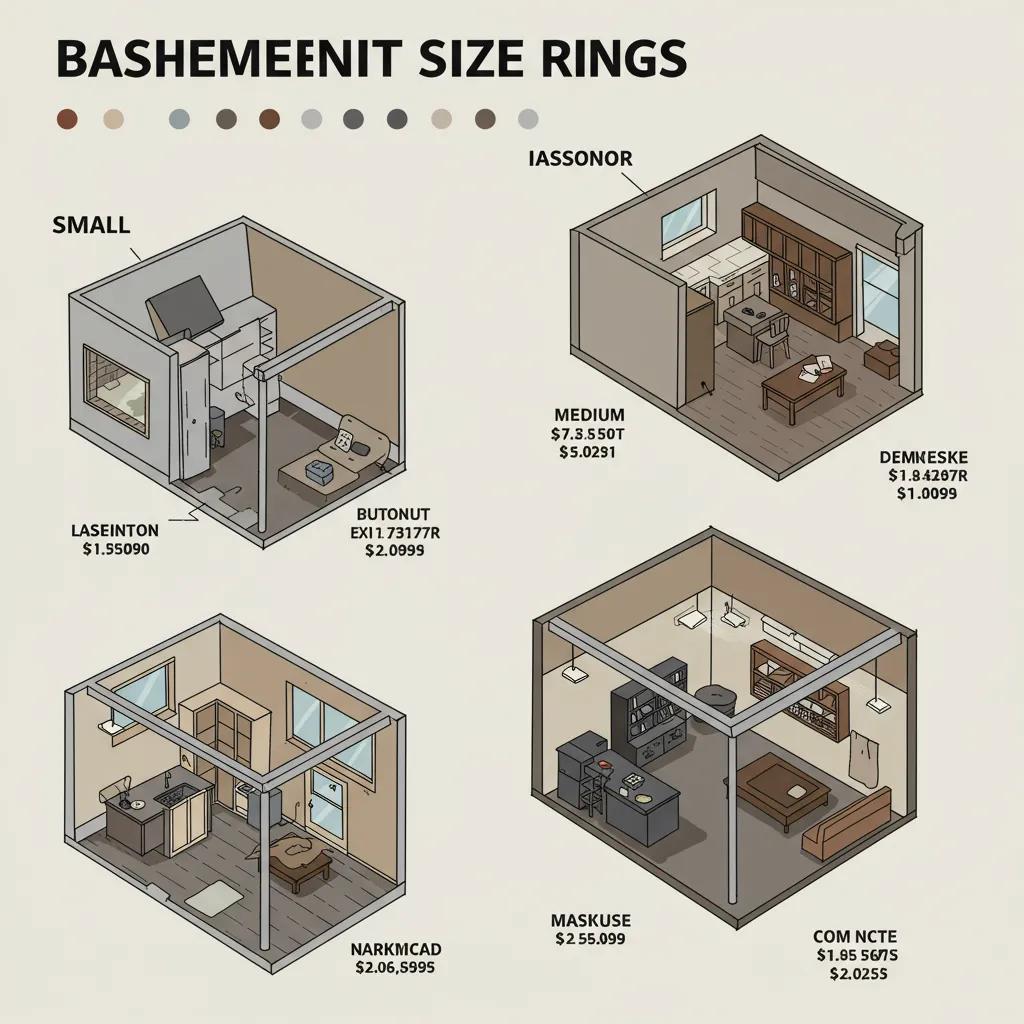
Smaller basements (under 500 sq ft) might have slightly higher per-square-foot costs, around $30–$50, because fixed expenses like permits and setup are spread over less area.
Medium-sized layouts (500–1,000 sq ft) typically average $25–$45 per square foot, as economies of scale help reduce costs.
Larger basements (1,000+ sq ft) can see costs drop to $20–$40 per square foot, as fixed expenses are distributed across a greater space.
Understanding these size-based pricing differences helps you set realistic expectations for your project.
How Does Utah County Pricing Compare to Statewide Averages?
Basement finishing costs in Utah County generally sit in the middle of the state’s range, offering a good balance between urban pricing and more rural rates.
The competitive market among renovation specialists like Lynnwood Construction ensures high quality at fair prices.
While builders in areas like Salt Lake City might charge $30–$60 per square foot, Utah County homeowners can expect averages of $25–$47 per square foot from a strong pool of local contractors.
This balance of value and expertise means your project can achieve excellent results and a strong return on investment.
What Factors Affect Basement Finishing Costs in Utah County?
The cost to finish your basement is influenced by the project’s scope, the materials you choose, labor rates, permit fees, and the need for a contingency fund. A simple remodel with basic finishes will naturally cost less than a full build-out that includes plumbing, HVAC integration, and egress windows. Your material selections, from flooring to trim, can significantly impact the price. Local labor rates, affected by trade availability and expertise, make up a large portion of the budget. Don’t forget to factor in permit fees, inspections, and a 10–20 percent contingency fund to cover any unforeseen issues, like structural or moisture problems.
How Do Basement Size and Layout Complexity Impact Cost?
Larger square footage helps lower per-square-foot costs by spreading out fixed expenses like design, mobilization, and permits.
More complex layouts with numerous rooms, angled walls, or multiple staircases require more framing, drywall, and trim work.
Open-concept designs can save on partitioning costs but might need extra structural support for beams.
Considering both the size and the design complexity early on leads to more accurate budgeting and fewer surprises during the project.
What Role Do Material Choices Play in Pricing?
Flooring options range from $2–$8 per square foot for carpet to $5–$15 for luxury vinyl plank or tile, impacting both initial cost and long-term maintenance.
Cabinetry and built-ins can vary from stock units at $50 per linear foot to custom millwork exceeding $200 per linear foot.
Fixtures like lighting, plumbing, and hardware offer a wide price range, from budget-friendly options around $100 per fixture to premium brands costing $400+.
Choosing materials that suit your usage and resale goals helps optimize both your expense and your home’s long-term value.
How Do Labor Rates and Local Contractor Prices Affect Your Budget?
In Utah County, experienced electricians and plumbers typically charge $60–$85 per hour, while framing and drywall crews average $40–$60 per hour.
Reputable basement finishing companies include a markup for expert project management, warranties, and quality assurance.
Getting competitive bids from qualified local specialists ensures transparent pricing without compromising on craftsmanship.
Working with experienced contractors minimizes the risk of delays, rework, and permit issues.
What Are Utah County Permit and Inspection Costs for Basement Finishing?
Permit fees for basement remodels in Utah County can range from $400 to $1,200, depending on the project’s scope and any plumbing or electrical additions.
Inspections for structural, electrical, and plumbing work typically cost $75–$150 per visit, ensuring your project meets all safety codes.
Applying for permits early can prevent schedule delays, and working with a contractor familiar with local building departments saves valuable time.
Budgeting for these required fees helps avoid costly hold-ups and ensures your finished basement is fully approved and safe.
Why Should You Budget for Unexpected Issues and Contingency?
Hidden moisture, outdated electrical systems, or unexpected structural repairs are common in basements, making a contingency fund essential.
Setting aside 10–20 percent of your budget for contingency can cover things like moisture barriers, foundation crack repairs, or necessary design adjustments.
This financial safety net prevents project delays and scope reductions when unexpected issues arise behind existing walls.
Including contingency in your budget leads to a smoother remodeling experience and helps keep your project on schedule.
How Much Does It Cost to Add Popular Basement Features in Utah County?
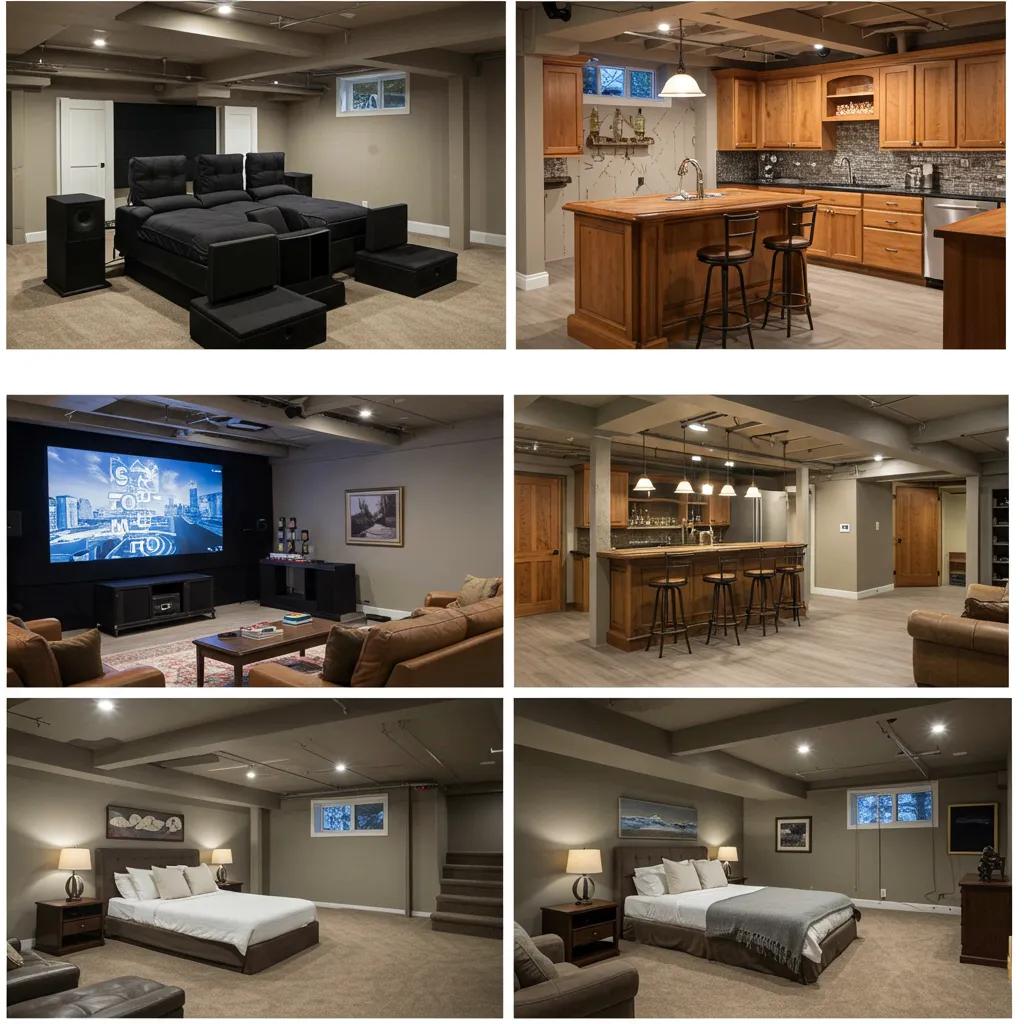
Adding popular features to your basement comes with its own set of costs, which vary based on complexity and local material prices. A half-bath is generally less expensive than a full bathroom, and egress windows require careful excavation and installation. Kitchenettes and wet bars need plumbing, cabinetry, and ventilation, which will increase the budget. Home theaters involve specialized acoustics and wiring, while gym installations might require reinforced flooring. Understanding the typical cost for each feature helps you prioritize upgrades that offer the most enjoyment and value.
What Is the Cost to Add a Bathroom to Your Basement?
Installing a half-bath typically starts around $8,000 for basic fixtures and a straightforward layout.
Three-quarter bathrooms, including a shower, toilet, and sink, average $12,000–$18,000, assuming plumbing access is readily available.
Full bathrooms with tubs, upgraded tile, and custom vanities can cost between $20,000 and $25,000, depending on the chosen finishes.
Investing in quality plumbing and waterproofing upfront can reduce future maintenance costs and improve your home’s resale value.
How Much Does Adding a Bedroom with an Egress Window Cost?
Creating a code-compliant egress window involves cutting into the foundation, installation labor, and the window well itself, costing approximately $3,000–$6,000.
Framing, drywall, paint, flooring, and basic trim for a standard-sized bedroom (around 120 sq ft) add an estimated $15,000–$20,000.
Adding custom closet built-ins can increase the scope by an additional $2,000–$4,000.
A safe, code-compliant egress window not only ensures occupant safety but also significantly boosts your home’s appraisal value.
What Are the Expenses for a Kitchenette or Wet Bar Installation?
A compact kitchenette, including cabinets, countertops, a sink, and basic appliances, typically starts near $15,000.
Wet bars, featuring a sink, mini-fridge, and shelving, can range from $8,000 to $12,000, depending on the countertop material and fixture quality.
Adding necessary ventilation, electrical circuits, and plumbing tie-ins may add $2,000–$4,000 in labor and materials.
Thoughtful design ensures these spaces are both great for entertaining and add practical value for future buyers.
How Much Does a Home Theater or Gym Addition Cost?
Home theater installations, complete with recessed lighting, surround-sound wiring, and soundproofing, average $20,000–$30,000.
Home gym setups, including rubber flooring, mirrors, and equipment hookups, generally cost $10,000–$20,000, depending on the size and finishes.
Specialty insulation, acoustic panels, and climate control systems can increase these costs by an additional 10–15 percent.
Dedicated spaces for entertainment and fitness enhance your lifestyle and contribute to long-term enjoyment of your home.
What Are the Costs for Custom Built-Ins and Storage Solutions?
Custom shelving, closets, and cabinetry typically cost $100–$200 per linear foot, with prices varying based on material and finish choices.
Modular storage systems offer a more budget-friendly option at $50–$100 per linear foot, with less customization available.
Designing multi-purpose nooks, such as a small office space or integrated toy storage, adds functional value with minimal extra expense.
Well-designed built-ins maximize space efficiency and create a polished, cohesive look throughout your basement.
What Is the Return on Investment (ROI) for Basement Finishing in Utah County?
Finishing your basement is a smart investment that consistently adds significant value to your home, typically increasing its appraisal value by 70–86 percent of the project cost. Well-executed renovations can lead to higher listing prices and quicker sales in Utah County’s active real estate market. Your design choices—functional layouts, quality finishes, and energy-efficient lighting—directly influence how much buyers perceive the value. With clear cost breakdowns, you can make informed decisions about improvements that enhance your enjoyment now and provide financial benefits later.
How Does Basement Finishing Increase Your Home’s Market Value?
Finished basements add usable square footage, which appraisers recognize, boosting the overall value per square foot.
Additional living spaces, like media rooms, guest suites, or home offices, appeal to a wider range of potential buyers.
Key features such as bathrooms and egress windows meet buyer expectations for safe, fully functional lower levels.
Each upgrade you add contributes to your home’s cumulative value and helps it stand out from properties with unfinished basements.
What ROI Percentages Can Utah County Homeowners Expect?
Local market data suggests that you can expect a return on investment typically ranging from 70 percent to 86 percent of your total finishing costs.
Mid-range projects often achieve returns around the 80 percent mark, thanks to a balanced investment in materials and labor.
High-end finishes can yield returns as high as 90 percent in desirable neighborhoods, especially when complemented by exterior and main-level upgrades.
Strategic choices, such as adding bathrooms, built-in storage, and open layouts, can significantly increase your appraisal multiplier.
How Can You Maximize ROI Through Design and Feature Choices?
Prioritize essential functional additions, like a bathroom and egress compliance, before focusing on purely decorative upgrades.
Opt for durable flooring and neutral finishes that have broad appeal to future buyers.
Integrate smart home technology, LED lighting, and energy-efficient HVAC systems to reduce utility costs and enhance appeal.
Consult with local experts like Lynnwood Construction to ensure your project aligns with market demands and avoids over-improving for your neighborhood.
Why Choose Lynnwood Construction for Your Utah County Basement Finishing Project?
Lynnwood Construction is your local specialist for basement finishing in Utah County, combining in-depth knowledge of local building codes with exceptional craftsmanship. Our transparent pricing clearly outlines every cost, showing you exactly how labor, materials, permits, and contingency funds contribute to your total investment. We handle all the permitting, inspections, and subcontractor coordination, ensuring your project is completed on time and without hidden fees. With a strong focus on clear communication and quality workmanship, Lynnwood Construction transforms your basement vision into a valuable, lasting asset for your home.
What Local Expertise Does Lynnwood Construction Offer for Utah County Basements?
Our team is well-versed in the specific zoning laws, building codes, and inspection procedures required in Utah County jurisdictions.
We work with trusted local material suppliers to secure competitive pricing and ensure timely deliveries.
Our experience across diverse neighborhoods, from Provo to Spanish Fork, means we understand how to design projects that fit community standards.
This localized knowledge helps streamline the approval process and avoids common delays associated with permits.
How Does Lynnwood Construction Ensure Transparent Pricing and Project Management?
Every estimate provides a detailed breakdown of costs for framing, drywall, electrical, plumbing, flooring, fixtures, and permit fees, ensuring complete clarity.
We share weekly updates on project schedules and budgets, keeping you informed at every stage.
Any necessary change orders are communicated promptly, with clear explanations of cost and timeline impacts.
Our commitment to honesty builds trust and confidence throughout the entire renovation process.
What Do Utah County Homeowners Say About Lynnwood Construction?
Our clients consistently praise our professionalism, clear communication, and respect for their homes during renovations.
Feedback often highlights our seamless coordination of different trades, adherence to budget, and reliable post-project support.
Homeowners appreciate our collaborative approach to design choices and material selections.
Positive word-of-mouth referrals are a testament to our dedication to quality and dependability.
How Can You Get a Free, Personalized Basement Finishing Quote?
Getting a custom estimate is easy: simply share your project details, desired finishes, and scope preferences. Our design team will review your information, conduct an on-site assessment, and provide a detailed proposal at no charge. Every quote includes transparent line-item pricing, guidance on permits, and recommended contingency planning. Contact Lynnwood Construction today at lynnwoodconstruction.com to schedule your free, no-obligation basement finishing quote.